three.js
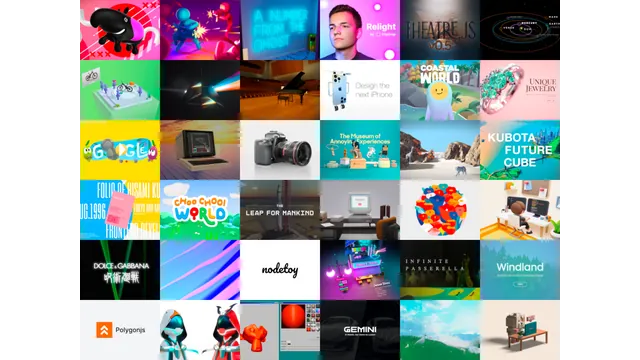
★ 116.6kJavaScript 3D library with WebGL and WebGPU renderers, plus WebXR support.
Reach game developers looking for the right tools.
Learn More49 engines, libraries, Gaussian splat tools and official tutorials for games that run in the browser. Each one links to its official site.
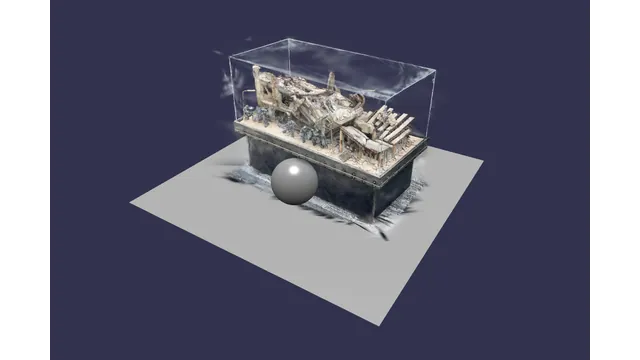
JavaScript 3D library with WebGL and WebGPU renderers, plus WebXR support.
Fast 2D renderer for the web with WebGL and WebGPU backends.
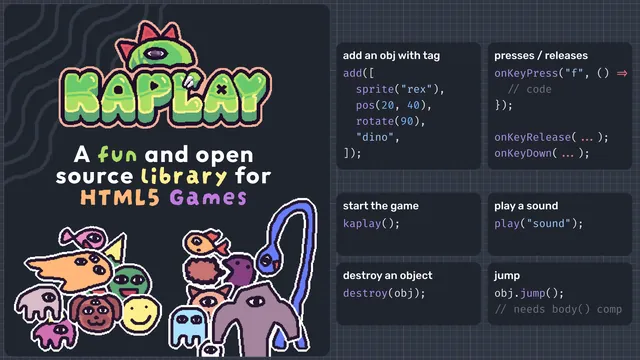
Fast, free 2D framework for HTML5 games, with Canvas and WebGL rendering.
A React renderer for three.js: build scenes as components.
Open-source, no-code 2D/3D/multiplayer game engine for everyone.
Powerful, open web 3D engine with an online Playground full of samples.
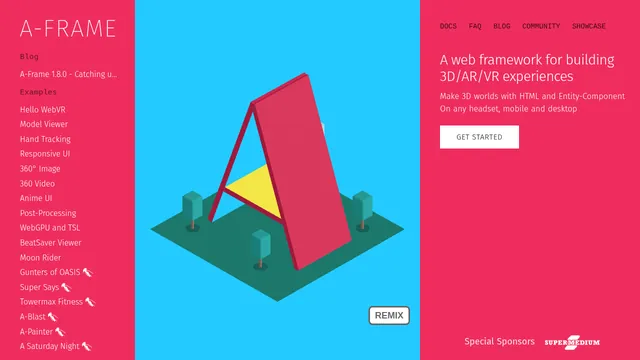
Web framework for building VR experiences with HTML. Examples include WebGPU and TSL.
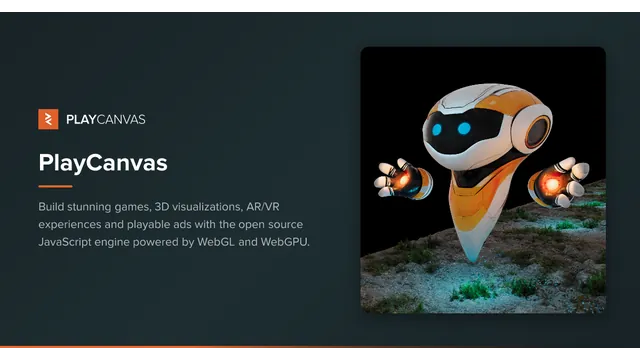
Web graphics runtime built on WebGL, WebGPU, WebXR and glTF, with a collaborative browser editor.
TypeScript interactive engine for 2D, 3D, animation and physics, built on WebGL and glTF.
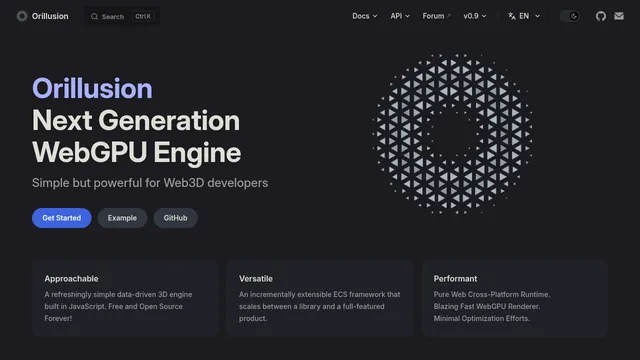
Web3D rendering engine built entirely on the WebGPU standard.
Tiny, fast 2D/3D HTML5 game engine with many features and no dependencies.
3D framework for Svelte, built on three.js.
Friendly TypeScript 2D game engine for the web.
A JavaScript and TypeScript game library that feels like a game.
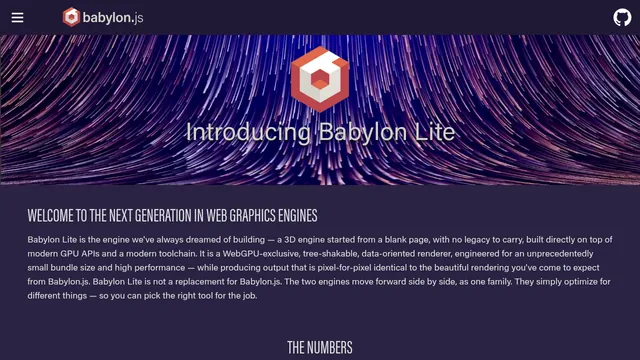
WebGPU-only sister engine to Babylon.js: tree-shakable, data-oriented and built for tiny bundles. No WebGL fallback by design.
Ship 3D to the web from Unity, Blender or code, from browser to VR headsets and mobile AR.
Editor and runtime built for WebXR. The C++ runtime is compiled to WebAssembly.
Ready-made helpers and abstractions for React Three Fiber.
2D and 3D physics engines in Rust. Official @dimforge npm packages run in the browser via WebAssembly.
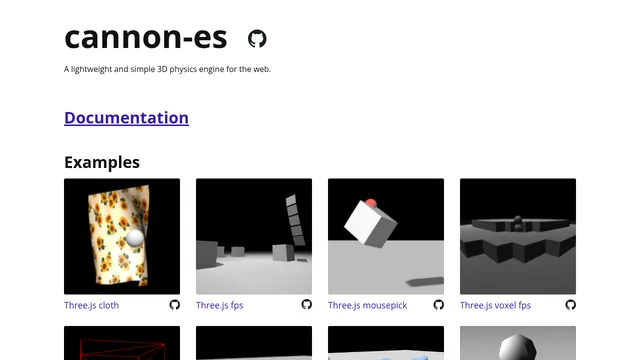
Lightweight 3D physics engine written in JavaScript. No commits since January 2024.
glTF 2.0 SDK and CLI to edit and optimise 3D models for the web.
Inspect and debug WebGL scenes. Extension for Chrome and Firefox.
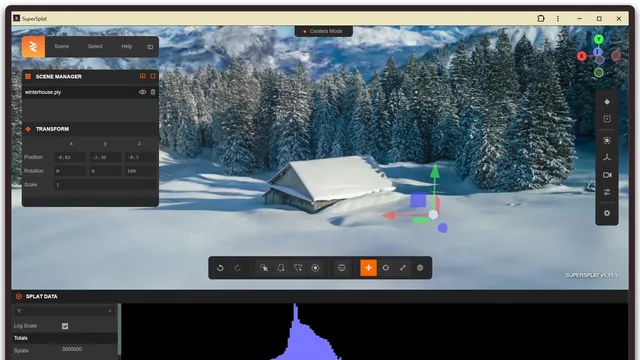
Home and browser editor for 3D Gaussian splats: explore, edit, convert and publish. Editor 3.0 was rebuilt on WebGPU.
Advanced 3D Gaussian Splatting renderer for three.js, built by World Labs. Reads PLY, SOGS, SPZ, SPLAT and KSPLAT.
Kevin Kwok's compact WebGL Gaussian splat viewer.
three.js-based implementation of 3D Gaussian splatting. Last commit October 2025.
Easy JavaScript Gaussian Splatting library from Hugging Face.
Niantic's file format for 3D Gaussian splats, about 10x smaller than PLY.
3D Gaussian splat renderer for three.js on WebGPU or WebGL2. Loads PLY and SPZ, and streams large scenes with SOG and RAD LOD.
Drop Luma captures into three.js scenes. Last release March 2024; examples repo archived.
How to load and render Gaussian splats in Babylon.js.
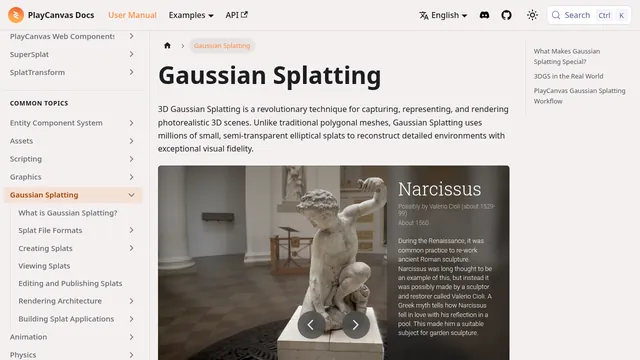
Official PlayCanvas guide to creating, viewing, editing and publishing splats.
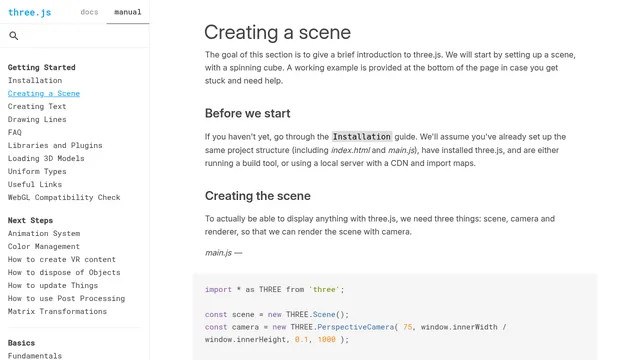
The official three.js manual, starting with your first scene.
Babylon.js's official beginner path.
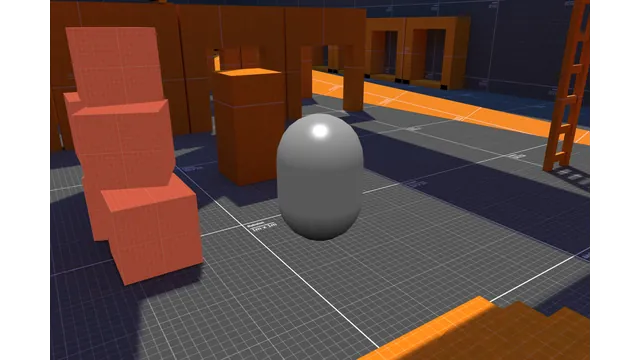
Official guide to the Havok-based character controller: capsule setup, moveWithCollisions and moving platforms.
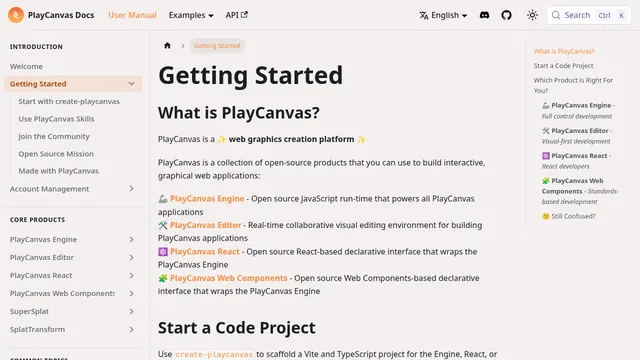
Official introduction to PlayCanvas.
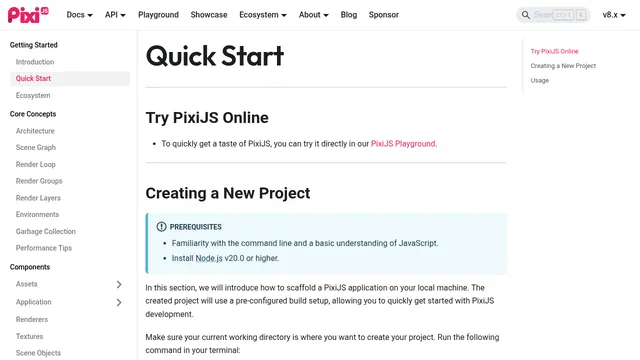
Official guide to setting up your first PixiJS v8 project.
Export Godot 4 games to HTML5. Needs WebAssembly and WebGL 2.0. Godot 4 C# projects can't export to the web.
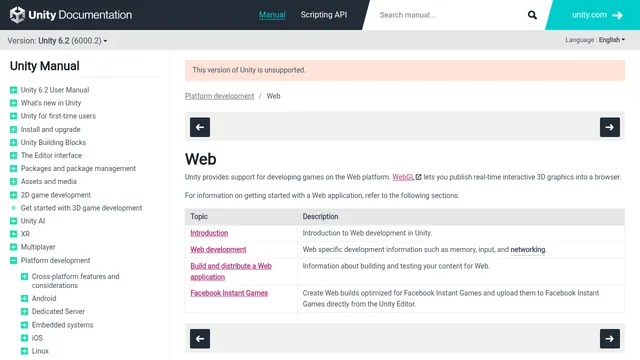
Build and publish Unity 6 games for web browsers.
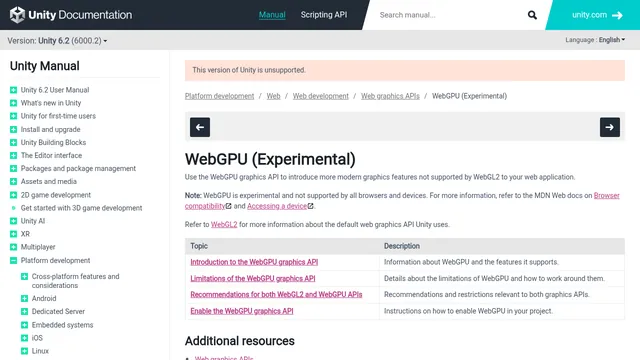
Unity 6's experimental WebGPU graphics backend for web builds.
Learn raw WebGL step by step: 2D content, 3D objects, textures and lighting.
Concepts and reference for WebGPU render and compute pipelines.
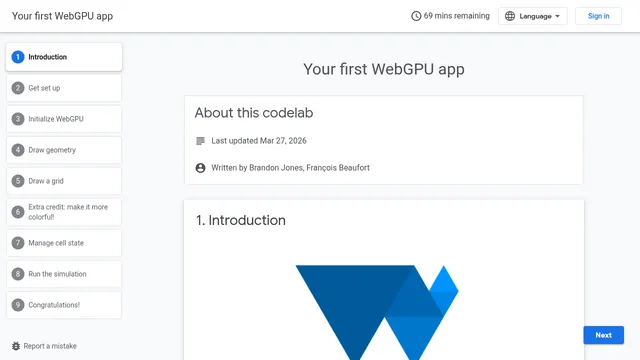
Build Conway's Game of Life on the GPU with WebGPU render and compute shaders.
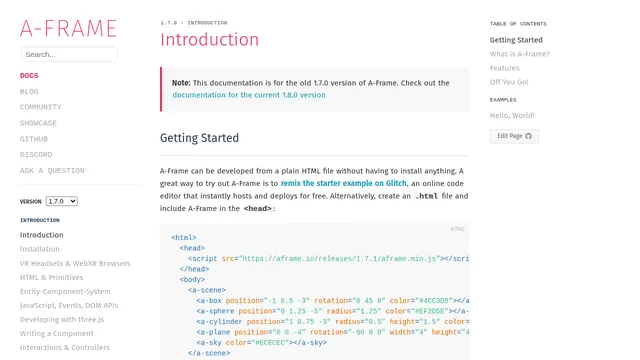
Official A-Frame docs: build VR scenes with HTML.
Install Needle Engine and start authoring in Unity, Blender or code.
Official guide to adding Gaussian splats to a three.js scene with Spark.
Home of the WebGL standard: specification, conformance and resources.
Nothing matches these filters.
Tech tags (WebGL, WebGPU, WebXR) are shown only where the project's own site or repository says so. GitHub stars and licences checked 19 October 2026.